
What Is Concurrent Licensing?
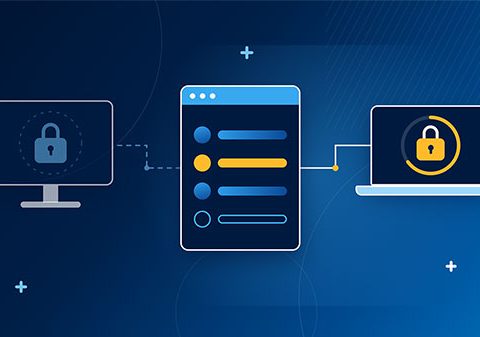
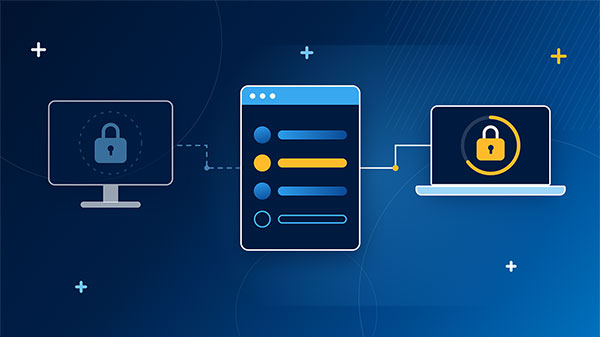
Concurrent licensing – also known as floating licensing – is a flexible software licensing model that allows a defined number of users to access an application simultaneously.
Instead of assigning a license to a specific individual or device, concurrent licensing draws from a shared license pool managed by a license server or service.
When a user launches the software, a license is checked out from the pool. When the user closes the application or disconnects, the license is returned, making it available for another user. This model is ideal for teams where not everyone needs access at the same time.
How Concurrent Licensing Works
In a concurrent model, all available licenses are stored on a centralized licensing solution. Users within a network or organization request access on demand. The core process includes:
- License Pooling – All active licenses reside in a managed pool.
- Check-Out / Check-In – When a user launches an application, a license token is checked out. When they close it, the token is released.
- Usage Tracking – The server tracks who is using each license and for how long.
- Auto-Reclaim / Timeout – Idle sessions can be released automatically after a defined period to maintain availability.
For software vendors, this model provides flexibility that end customers value – they can share access efficiently across teams and time zones, without needing a license for every individual.
That means higher satisfaction, better perceived value, and more scalable adoption of your product.
Benefits of Concurrent Licensing
Benefits for End Customers
Concurrent licensing delivers flexibility and efficiency that make software easier to adopt and justify internally:
- Optimized Utilization – A shared license pool lets teams get the access they need, when they need it, based on actual usage.
- Flexibility – Ideal for distributed or global teams who use software at different times or in varying volumes.
- Scalability – As usage grows, additional licenses can easily be added to the shared pool.
- Centralized Control – Usage and access can be monitored from one place, improving compliance and transparency for enterprise customers.
Benefits for Independent Software Vendors (ISVs)
For ISVs, offering concurrent licensing can strengthen product appeal and improve operational control without eroding value:
- Stronger customer retention – Customers value flexibility, which can improve renewal rates and reduce churn.
- Broader market reach – Concurrent models can open opportunities in enterprise and education sectors where shared usage is common.
- Efficient monetization – Align license allocation with real usage data, helping define pricing tiers and upsell opportunities based on actual demand.
- Simplified management – With licensing as a service from 10Duke, ISVs can monitor usage in real time, enforce concurrency limits, and integrate with existing delivery pipelines through APIs.
- Cloud-ready delivery – Implementing concurrent licensing via 10Duke’s software license management solution ensures secure, scalable access across hybrid and SaaS environments.
When Should You Provide Concurrent Licensing for Your End Customers?
Concurrent licensing is a valuable option to offer when your customers’ usage patterns don’t require continuous access for every user. It allows you to serve organizations that want flexibility in how their teams access your software, without compromising your control over how it’s licensed and monetized.
You should consider providing concurrent licensing when:
- Customers use your software intermittently – for example, during specific projects or at certain times of the year.
- Customers operate across time zones or in shifts, so not everyone needs access at once.
- Organizations prioritize cost control, preferring to align spending with active usage rather than purchasing individual licenses for all users.
- Enterprise customers require centralized visibility, including usage tracking, compliance, and audit capabilities.
Offering concurrent licensing in these cases can help you reach new market segments and improve customer satisfaction - while maintaining predictable control over license allocation and revenue through the 10Duke solution.
Challenges & Best Practices
While concurrent licensing offers flexibility, successful implementation requires attention to a few key factors:
- Real-time Licensing – Ensure redundancy or high availability to prevent access disruption.
- Monitoring & Reporting – You’ll need a license analytics tool to identify underutilized or peak usage times.
- Soft Limits – Consider controlled temporary overuse for high-demand periods, which can give you a chance to upsell, as you will have the proof that the customer needs more licenses.
How 10Duke Supports Concurrent Licensing
The 10Duke License Management platform enables software vendors to implement true concurrent licensing – without dependency on legacy license dongles or on-premise license servers.
Key capabilities include:
- Cloud-native license pooling and real-time check-out/check-in
- Configurable concurrency limits and session management
- Usage analytics and reporting for optimization
- RESTful APIs for integration with existing software delivery systems
- Secure authentication through modern identity protocols
10Duke allows software businesses to combine concurrent licensing with other models such as subscription, consumption-based, or feature-based licensing – all managed from a single platform.
Explore how 10Duke can help you deliver flexible concurrent licensing for your applications. Book a demo
Key Summary
Learn more from our guides
Software Licensing Guide – Learn the Basics
Software License Models – Ultimate Guide
Software Monetization Guide – How to Monetize Software?