



Protecting Intellectual Property for Software
Since the 1980s, the rapidly growing software industry has transformed every sector and blurred physical-digital boundaries. As a software developer or vendor, protecting your intellectual property is essential to ensure you are rewarded for your work. But what are intellectual property rights, how do they apply to software, and how can you protect your software IP?
What is IP Protection For Software and How Does it apply to Software Technology?
Intellectual property covers creations of the mind, including software. Since the 1970s, computer programs have been legally protected, allowing developers to gain recognition and financial rewards for their work.
To further the protection of the intellectual property rights of artists, writers and designers, the Berne Convention was held in 1886. The Berne Convention states that rather than requiring any kind of formal application or registration, copyright exists on all works, from the moment they are ‘fixed’. The Berne Convention also states that except for photographic and cinematographic work, copyright protection automatically lasts for the life of the author, plus 50 years.
After development, your software is automatically protected by copyright under the Berne Convention. However, legal protection alone doesn’t track usage or detect infringement. Copyright law covers unauthorized copying or translation, and violators may face legal penalties.
IP Protection for Software Apps
There are different forms of IP Protection, each affording different levels of protection. The worst IP protection strategies for computer software involve keeping a record of software sales and manually deploying software keys. Usually born out of necessity and / or not having the resources to build an automated solution in-house, this method relies on tracking software sales and deploying some sort of ‘key’ in order for software to run.
Reconciling license keys against a database of authorised users and shipping physical hardware, such as license dongles, is a time-consuming and expensive process. And the pay-off isn’t that great. Aside from the additional admin costs, even with perpetual licensing or hardware-based IDs, there's no way of reliably knowing where and how software is being used. Hardware can be cloned and license dongles can easily be passed from one user to another - and what about customers that want consumption-based, subscription or other usage models?
Best IP Protection Software
To build a strong software IP protection strategy, move away from outdated systems. Modern IP protection software streamlines customer onboarding, boosts efficiency, and supports flexible usage models like subscriptions, pay-as-you-go, and free trials. Today, software vendors must offer multiple access options and reliably manage or revoke rights as customer entitlements change.
How can 10Duke help with Software IP Protection?
Unlike other assets in the public domain, software applications are not sold. Instead they are operated under a license provided by the copyright owner - also known as ‘software licensing’. In other words, software licensing is the vehicle that protects the intellectual property rights of software vendors and therefore every software application has a software licensing process.
10Duke provides robust IP Protection for software applications with solutions that enable our clients to easily manage software deployment, with usage data available in real-time. With full-scale customer identity management and Identity-based Licensing, we enable our clients to consolidate their existing software business into a cloud-based software management solution.
Compared with more traditional device-based licensing models, identity-based licensing can offer you significant competitive advantages in a multi-app, multi-device world. Identity-based licensing offers more flexibility both in terms of the licensing terms under which you can make your products available and in terms of improving the ease with which your customer can access and interact with your products.
Conclusion
For many software businesses the Intellectual Property rights contained in their finished works are the fundamental building blocks for their business. How unlikely it would be for the same thousands of lines of code in your application to have been created independently by someone not engaged in unauthorised copying?
With 10Duke as your software licensing solution, you can obtain granular control over software usage while at the same time offering the licensing models most suited to maximising revenue, rather than forcing you to adapt to an inflexible model, ill-suited to your business.
Digital adoption has surged post-COVID, with even previous end users embracing online solutions. For software vendors, this shift brings both major challenges and significant opportunities.
10Duke offers a powerful software licensing solution with integrated identity and access management, giving you complete control over who uses your software and when-across all platforms. Its login-based system streamlines license management, enforces your license model, and reduces revenue leakage.
The 10Duke licensing engine is used by some of the fastest-growing software businesses in the world.
Are you a software developer looking to sell more? Learn more from our guides:
Should You Build Or Buy a Licensing System?
How to Monetize Software Products?
Guide to Software Licensing – Basics Explained
Software Licensing Models – Ultimate Guide
What Is Software License Management?
Customer Identity and Access Management – What should a good CIAM solution provide?
The Licensing Lab Blog



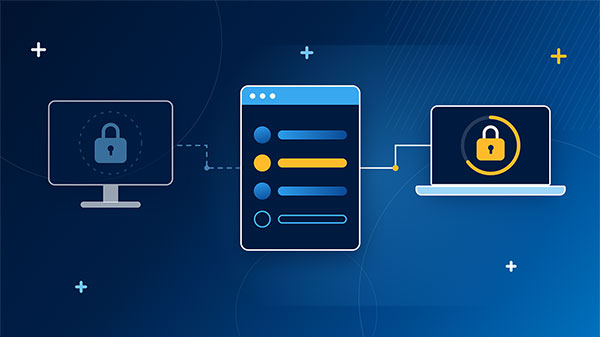

Software IP protection strategy is not just about limiting access. The best IP protection software also aims to enhance customer experience.