


Head of Operations at 10Duke.
Connect with me on LinkedIn.
For over twenty years, SaaS licensing has run on a simple assumption: every user who touches the product pays for a seat. That model made sense when "touching the product" meant logging in and doing work. However, it makes much less sense for AI tools, where a growing share of the people who need access aren't the ones generating value from the product day-to-day.
Consider who actually needs to be inside an AI workspace tool. There's the person prompting it daily to write code, draft content, or analyze data (for example). But there's also the IT admin who provisions access and enforces SSO, the finance lead who reviews the invoice once a month/quarter, and the department head who wants visibility into usage without personally using the tool at all. Under legacy per-seat pricing, all of them cost the same, whether they open the app fifty times a day or five times a year.
That mismatch is now showing up as a retention problem, and forward-thinking vendors are starting to fix it by separating two things that seat-based licensing has always bundled together: the license that grants access to a workspace, and the meter that tracks how much AI output someone actually consumes.
The Zombie Seat Problem
Ask any finance team what they think of their SaaS stack and "zombie seats" is likely to surface: licenses assigned to managers, approvers, or auditors who log in once a quarter to update a payment method or check a compliance box, yet get billed the full monthly rate every cycle. For a $30 per seat AI tool rolled out across a 200-person department, that overhead adds up to real budget waste, and it's exactly the kind of line item a renewal review is built to cut.
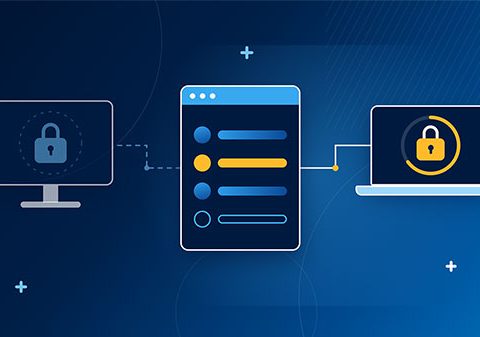
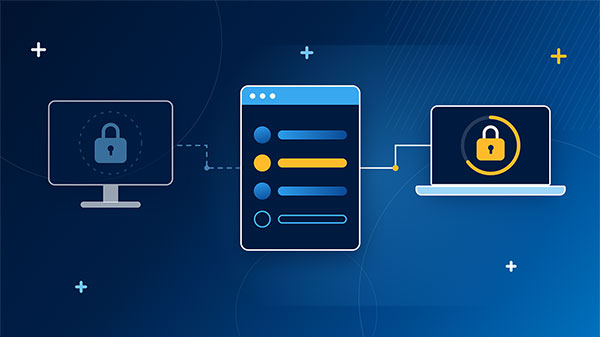
The solution lies in separating the two things that per-seat AI pricing has usually bundled into a single price: the access license and the consumption meter. When those become two separate axes, the person managing governance, permissions, and billing still has an assigned access seat, they’re just not billed on the usage meter at all. Only the users actually generating prompts, running workflows, or consuming AI output are.
Why Decoupling Access from Consumption Changes Adoption
This shift matters most at the point where AI tools actually get bought inside larger organizations, and it changes three things simultaneously:
- Enterprise onboarding gets faster. IT and security teams can configure SSO, set governance rules, and establish compliance guardrails before a single dollar is committed to team-wide rollout. Evaluation and procurement stop being gated by budget approval, because setting up the environment no longer requires paying for AI consumption before governance is even in place.
- Procurement stops absorbing costs that aren’t theirs. A centralized procurement or IT function can administer software across multiple departments without those admin licenses inflating their own budget. The department that actually uses the tool pays for the usage; the function that governs it doesn’t get taxed for governing.
- Departmental rollout accelerates. When a director can evaluate, configure, and govern a tool on a no-cost access role, the friction between "we’re testing this" and "everyone on the team has access" drops sharply. Full adoption stops waiting on a second budget cycle.
The Underlying Licensing Model Required
Getting this right is an architecture decision rather than a pricing decision. It requires an entitlement system that can separate the access seat from the consumption meter cleanly, and price them as two independent axes rather than tiers of the same seat.
A few capabilities tend to separate the vendors who pull this off from the ones who bolt it on as a workaround:
- The ability to price access roles independently from consumption tiers, so admin, procurement, and governance roles carry no usage-based cost while active users are metered for what they actually generate, without hand-rolling custom logic for every enterprise deal.
- The ability to reallocate licenses across employees, contractors, and teams in real time, so seats follow the org chart instead of lagging behind it.
- Metered consumption and usage credits that sit natively alongside seat-based access licensing, because best-practice AI pricing treats access and consumption as complementary axes, not competing models.
- Identity infrastructure that plugs into existing IdPs and billing systems rather than forcing a rebuild.
The Bigger Shift
The software vendors getting this right aren't just tweaking their pricing page. They're recognizing that in AI products, "who manages this" and "who consumes this" are frequently different people with entirely different value they get from the tool, and that billing them identically was always a workaround rather than a design choice.
As more software shifts toward consumption-based and hybrid pricing, the seat on its own is becoming an incomplete unit of account: still the right way to price and govern access, but no longer sufficient as the only measure of value delivered. The vendors who treat access and consumption as two separate, complementary axes early aren’t just removing a pricing headache, they’re building the kind of account model that enterprise buyers increasingly expect before they’ll commit budget.
For ISVs still managing entitlements through an in-house licensing system, building this separation from scratch is rarely a small project. 10Duke's platform handles access and consumption as native, independent axes, so vendors can ship a hybrid pricing model without months of custom development first.